Laser Hernia Treatment in Hyderabad

Get advanced Laser Hernia Treatment in Hyderabad with expert surgical care from Dr. Pallam Praveen. Using modern minimally invasive techniques, we focus on less pain, smaller incisions, faster recovery, and excellent clinical outcomes. Patients from Madinaguda, ECIL, Miyapur, Kukatpally, Nizampet, Bachupally, Chandanagar, AS Rao Nagar, Kapra, and across Hyderabad trust our comprehensive hernia care.

Book Appointment
Laser Hernia Treatment in Hyderabad

Advanced & Minimally Invasive Hernia Treatment

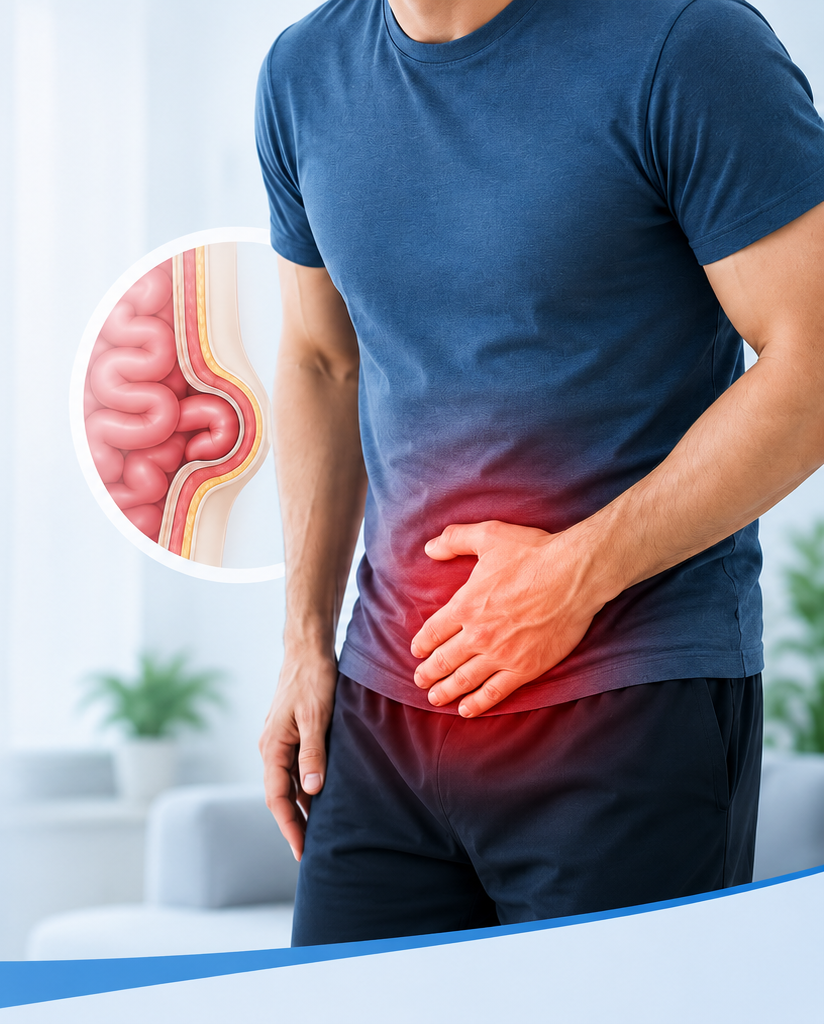
A hernia occurs when an internal organ or tissue pushes through a weak area of the surrounding muscle or connective tissue, creating a visible bulge and discomfort. Common types include inguinal, umbilical, incisional, and femoral hernias. While some hernias remain painless initially, they generally do not heal on their own and may enlarge or cause complications over time. Modern minimally invasive hernia surgery offers significant advantages over conventional open procedures for suitable patients. Smaller incisions, reduced postoperative pain, minimal blood loss, shorter hospital stays, and quicker recovery make advanced surgical techniques a preferred treatment option. At Dr. Pallam Praveen's center, every patient receives a detailed clinical evaluation and a personalized treatment plan based on the type and severity of the hernia. We proudly provide advanced hernia care for patients from Madinaguda, ECIL, Miyapur, Kukatpally, Nizampet, Bachupally, Chandanagar, AS Rao Nagar, Kapra, Sainikpuri, and across Hyderabad.

Why Choose Advanced Hernia Surgery?

Modern minimally invasive hernia surgery is designed to improve patient comfort and recovery while providing effective repair of the hernia defect.

Less Pain

Smaller incisions and advanced techniques generally result in reduced postoperative discomfort.

Faster Recovery

Many patients return to daily activities sooner based on their doctor's recommendations.

Minimal Blood Loss

Modern surgical methods help minimize tissue trauma and blood loss.

Smaller Incisions

Minimally invasive surgery typically uses small incisions, which may improve cosmetic outcomes.

Short Hospital Stay

Many suitable patients benefit from shorter hospitalization and earlier discharge.

Improved Quality of Life

Timely hernia repair can relieve symptoms and help patients return to normal activities with greater comfort.

Symptoms of Hernia

A hernia may develop gradually and often presents as a visible bulge or swelling. While some people experience mild discomfort initially, untreated hernias can become painful and may lead to serious complications. Early consultation with a specialist is recommended.

Visible Bulge

A noticeable lump or swelling in the abdomen or groin that may become more prominent while standing, coughing, or lifting heavy objects.

Pain or Discomfort

Pain, heaviness, or discomfort around the affected area, especially during physical activity or prolonged standing.

Burning Sensation

Some patients experience a burning or aching sensation around the hernia site due to pressure on surrounding tissues.

Groin Swelling

In inguinal hernia, swelling in the groin region may increase during coughing or straining.

Pressure While Lifting

Heavy lifting or strenuous activities may increase pressure and worsen hernia-related symptoms.

Abdominal Weakness

A feeling of weakness or dragging sensation in the abdominal wall may indicate a developing hernia.

Common Causes of Hernia

A hernia develops when internal tissue pushes through a weak area in the muscle or abdominal wall. Multiple factors can contribute to this weakness.

Heavy Weight Lifting

Frequent lifting of heavy objects increases abdominal pressure and may contribute to hernia formation.

Chronic Cough

Persistent coughing places repeated stress on the abdominal muscles and may weaken them over time.

Obesity

Excess body weight increases pressure on the abdominal wall, raising the risk of developing a hernia.

Constipation & Straining

Repeated straining during bowel movements can weaken muscles and contribute to hernia development.

Previous Surgery

Weakness at a previous surgical incision site may lead to an incisional hernia.

Age-Related Muscle Weakness

Natural weakening of muscles with age can increase susceptibility to different types of hernias.

Types of Hernia

Hernias are classified based on their location and the tissues involved. Proper diagnosis helps determine the most suitable treatment plan.

Inguinal Hernia

The most common type, occurring in the groin when tissue protrudes through a weakened abdominal wall.

Umbilical Hernia

Develops near the belly button due to weakness in the abdominal muscles.

Incisional Hernia

Occurs through a previous surgical scar where the abdominal wall has weakened.

Femoral Hernia

A less common type occurring in the upper thigh or groin region, more frequently seen in women.

Hiatal Hernia

Occurs when part of the stomach moves upward through the diaphragm into the chest cavity.

Epigastric Hernia

Appears as a small bulge between the chest and the belly button due to weakness in the abdominal wall.

Why Choose Dr. Pallam Praveen?

Patients from Madinaguda, ECIL, Miyapur, Kukatpally, Nizampet, Bachupally, Chandanagar, AS Rao Nagar, Kapra, Sainikpuri, and across Hyderabad trust Dr. Pallam Praveen for advanced hernia management, personalized treatment plans, and modern minimally invasive surgical care.

Advanced Surgical Techniques

Modern minimally invasive procedures designed to improve patient comfort and recovery.

Personalized Evaluation

Every patient receives a comprehensive assessment to determine the most appropriate treatment.

Experienced Care

Evidence-based treatment plans focused on safety, effectiveness, and long-term outcomes.

Comprehensive Follow-up

Postoperative guidance and scheduled follow-up visits support smooth recovery and long-term health.

Convenient Locations

Providing expert hernia care for patients visiting from Madinaguda, ECIL, and surrounding areas across Hyderabad.

Patient-Centered Approach

Compassionate care, transparent communication, and individualized treatment planning at every stage.

Who Needs Hernia Surgery?

Although some hernias may initially cause mild symptoms, they do not heal on their own. Early evaluation and timely treatment can help prevent complications such as obstruction or strangulation. Advanced minimally invasive hernia surgery is often recommended for symptomatic patients.

Visible Growing Bulge

If the swelling gradually increases in size or becomes more noticeable while standing or lifting, medical evaluation is recommended.

Persistent Pain

Continuous pain or discomfort during daily activities may indicate the need for surgical treatment.

Difficulty Performing Daily Activities

If the hernia interferes with walking, exercising, or working, advanced treatment should be considered.

Recurring Symptoms

Repeated swelling or discomfort despite lifestyle modifications requires specialist consultation.

Large Hernia

Large or progressively enlarging hernias are generally better managed with surgical repair.

Need for Faster Recovery

Patients seeking minimally invasive surgery with smaller incisions and quicker recovery may benefit from advanced hernia treatment.

Recovery After Hernia Surgery

Recovery depends on the type of hernia, surgical technique, and individual health. Following postoperative instructions can promote healing and reduce the risk of recurrence.

Walk Regularly

Light walking as advised by your doctor can improve circulation and support recovery.

Avoid Heavy Lifting

Avoid strenuous activities and lifting heavy objects until your surgeon recommends otherwise.

Eat a Balanced Diet

A nutritious diet rich in fiber and adequate hydration helps prevent constipation and supports healing.

Take Medicines Properly

Follow the prescribed medications and postoperative instructions carefully for optimal recovery.

Maintain Healthy Weight

Maintaining an appropriate body weight reduces pressure on the abdominal wall and lowers recurrence risk.

Attend Follow-up Visits

Regular follow-up appointments allow your surgeon to monitor healing and address any concerns promptly.

Book Your Hernia Consultation Today

If you notice a swelling, pain, or discomfort suggestive of a hernia, don't delay evaluation. Consult Dr. Pallam Praveen for advanced minimally invasive hernia treatment. Patients from Madinaguda, ECIL, Miyapur, Kukatpally, Nizampet, Bachupally, Chandanagar, AS Rao Nagar, Kapra, Sainikpuri, and across Hyderabad trust our expert surgical care.

Book Appointment

Frequently Asked Questions

1. What is a hernia?

A hernia occurs when an internal organ or tissue pushes through a weakened area of muscle or connective tissue.

2. Can a hernia heal without surgery?

Hernias generally do not heal on their own and often require surgical repair to prevent complications.

3. What are the common symptoms of a hernia?

Common symptoms include a visible bulge, pain, heaviness, discomfort, and swelling that may worsen with coughing or lifting.

4. Is minimally invasive hernia surgery safe?

When performed by an experienced surgeon, minimally invasive hernia surgery is a well-established and effective treatment option for suitable patients.

5. How long does hernia surgery take?

The duration depends on the type and complexity of the hernia but typically ranges from 30 minutes to a few hours.

6. Can I return home the same day?

Many patients undergoing minimally invasive hernia surgery may be discharged the same day or after a short hospital stay, depending on medical evaluation.

7. How long is the recovery period?

Recovery varies between individuals, but many patients gradually resume normal activities within a few weeks as advised by their surgeon.

8. Can hernia recur after surgery?

Recurrence is possible, but appropriate surgical repair and following postoperative advice help reduce the risk.

9. Who is at higher risk of developing a hernia?

People who perform heavy lifting, have chronic cough, obesity, constipation, or previous abdominal surgery may have an increased risk.

10. When should I consult a hernia specialist?

You should seek medical evaluation if you notice a persistent bulge, pain, swelling, or increasing discomfort in the abdomen or groin.
Book Appointment